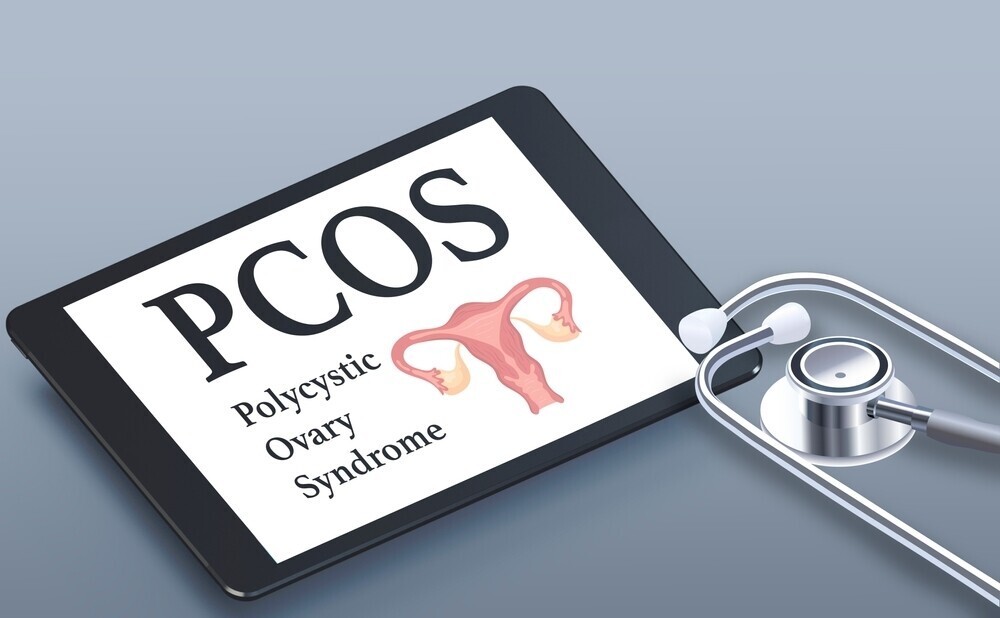
There has been significant news from the world of women's health this month, and I wanted to share it because so many of you will recognise the old name.
Polycystic Ovary Syndrome — PCOS — has been formally renamed. It is now Polyendocrine Metabolic Ovarian Syndrome, or PMOS, following a fourteen-year global consensus process led by Professor Helena Teede, with findings published in The Lancet on 12 May 2026. Anyone who has been told they have PCOS, and felt that the explanation never quite fitted, will probably understand why this matters.
Why the change?
First, the old name was inaccurate and suggested the problem was ovarian cysts. What were called "cysts" are not really cysts at all, and many women with the condition do not have polycystic-looking ovaries on a scan.
Second, the condition reaches far beyond the ovaries and that narrow focus obscured the wider picture. Around three in four women with PMOS have some degree of insulin resistance, regardless of body weight. The condition can affect
- energy
- mood
- sleep
- weight
- skin
- hair
- fertility
- and long-term metabolic and cardiovascular health
Third, the old name caused a great deal of delayed diagnosis and dismissal — particularly for slimmer women, women past their reproductive years, and women whose symptoms didn't fit the typical picture, or who had no obvious findings on ultrasound. They were often told they didn't have it, or that there was nothing that could be done.
The diagnostic criteria themselves haven't changed. If you've been told you have PCOS, your diagnosis still stands — it is the framing of the condition that is being updated. For too long, this has been treated as a fertility issue. The new name acknowledges it is a complex, multi-system endocrine and metabolic condition that affects far more than the ovaries.
For me, the change is overdue and welcome. As a Medical Herbalist, I have successfully worked with this condition — looking at the root drivers, supporting metabolic balance and addressing insulin resistance through nutrition, herbal medicine and considered lifestyle changes. Gut health, stress, sleep, liver function and nutritional status all feed into the picture, and these factors are assessed and supported in my tailored treatment plans, incorporating laboratory testing when appropriate.
If you have PCOS — now PMOS — and you've felt that the care you've received has only scratched the surface, you're not imagining it. There is more to the story, and there is more that can be done.
If you'd like to know more, or to explore your own picture, you're welcome to get in touch.
HELEN SHARDLOW Medical Herbalist, MNIMH
The Broad Street Practice, Stamford

.jpg)
.jpg)